Why Building Problems Are So Common in Johannesburg Homes
Johannesburg homes face a unique mix of climate and ground conditions that make certain building problems more common than in other parts of the world.
Summers bring intense afternoon thunderstorms, heavy downpours, and hail. Winters are dry, with big temperature swings between chilly nights and warm days. Add to that:
- Expansive clay soils in many Gauteng suburbs that swell when wet and shrink when dry - Ageing housing stock in older areas with outdated damp-proofing and services - Rapid development in newer estates, sometimes with rushed or poorly supervised construction
It is no surprise that recurring cracks, damp problems, structural movement, roof leaks, and defects from poor workmanship show up so often in building problems Johannesburg owners report.
The good news is that most housing defects Gauteng owners encounter can be managed if you understand what you are looking at and act early. This article walks through the main issues, how to spot them, and when to call in a professional.
Cracks in Walls and Floors
Cracks are one of the most common construction issues South Africa–wide, and they are especially visible in plastered brick homes around Johannesburg.
Hairline vs structural cracks
Not every crack means your house is falling down.
- **Hairline / plaster cracks** Fine cracks in plaster or paint, often less than 1 mm wide, usually follow straight lines or appear as small “crazing” patterns. They are often caused by normal shrinkage of plaster, minor temperature movement, or previous poor patching. These are mostly cosmetic.
- **Potentially structural cracks** More worrying cracks tend to be: - Wider than a few millimetres - Stepped along the brick joints - Diagonal, especially from corners of doors and windows - Running through bricks, not just the plaster - Visible on both sides of a wall or continuing from walls into floors
These may indicate movement in the structure or foundations.
Common causes in Johannesburg
In Johannesburg homes, cracks often relate to:
- **Expansive clay soils** that swell when wet and shrink in dry winters, moving foundations up and down - **Differential settlement**, where one part of the building moves more than another - **Thermal movement** from hot days and cold nights, especially on long, unjointed walls - **Large trees** planted close to foundations, drawing moisture from the soil - **Poor foundations or additions**, such as rooms or boundary walls built without proper design
Warning signs that need attention
You should seek professional advice if you notice:
- Cracks that are getting wider or longer over a few months - Doors and windows starting to stick or not closing properly - Cracks that reappear soon after being repaired - Cracks in both internal and external walls in the same location
A building inspector or structural engineer can help determine whether the movement is ongoing and what repairs are appropriate.
Practical monitoring and prevention
- **Monitor and photograph** cracks every few months with a ruler or coin in the photo for scale. - **Cosmetic repairs** (filling and repainting) are fine for stable, hairline cracks. - **Improve drainage** so stormwater flows away from foundations, not towards them. - **Control large trees** near the house; get advice before removing or heavily pruning trees that may be stabilising the soil. - For **new builds or extensions**, insist on proper foundation design suited to local soil conditions.
Damp and Moisture Problems
Damp is one of the most frustrating housing defects Gauteng owners face. It damages finishes, encourages mould, and can be stubborn if the cause is not properly addressed.
Types of damp in simple terms
- **Rising damp** Moisture from the ground moves up through walls when the damp-proof course (DPC) is missing, bridged, or has failed. Common in older Johannesburg homes.
- **Penetrating damp** Water comes horizontally through walls or roofs due to defects such as cracked plaster, failed waterproofing, or leaking roofs and balconies.
- **Condensation** Moisture from everyday living (cooking, showers, drying clothes) condenses on cold surfaces, especially in poorly ventilated rooms.
Local contributors to damp
In Johannesburg, damp problems are made worse by:
- Heavy summer rains overwhelming poor waterproofing - Older homes with no or deteriorated DPCs - Flat roofs and balconies with inadequate falls or failed membranes - Leaking gutters, downpipes, and plumbing - Bathrooms and kitchens with poor ventilation
Typical signs to look for
- Peeling or bubbling paint - Blistering or crumbling plaster - Mould spots on walls or ceilings - Musty smells in cupboards or rooms - White, powdery salt deposits on walls - Swollen skirting boards, cupboards, or laminate flooring
Health implications
Persistent damp and mould can aggravate asthma, allergies, and other respiratory conditions, especially in children, the elderly, and people with compromised immune systems. It is not just a cosmetic issue.
Prevention and remedies
- Keep **gutters and downpipes** clear and in good repair. - Ensure **ground levels** slope away from the house and that stormwater is directed to proper drains. - Fix **plumbing leaks** promptly, including under basins, behind toilets, and in showers. - Improve **ventilation** with extractor fans or open windows in kitchens and bathrooms. - For significant rising or penetrating damp, use **reputable damp-proofing and waterproofing contractors**, not quick “paint-over” solutions.
Tips for property buyers
During a viewing:
- Look behind furniture against external walls for stains or mould. - Check inside cupboards on external walls, especially in bedrooms. - Examine skirting boards and built-in cupboards in bathrooms and kitchens. - Be cautious of freshly painted patches that may be hiding damp.
Structural Movement and Foundation Issues
Structural movement is when parts of the building shift relative to each other. In plain language, the house moves more than it should.
What structural movement is
- **Subsidence** – parts of the building sinking due to soil shrinking or being washed away. - **Heave** – soil swelling and pushing the structure upwards. - **Differential settlement** – uneven movement between different parts of the building.
Johannesburg and Gauteng specifics
Many areas sit on **expansive clay soils**. When these clays get wet, they swell; when they dry out, they shrink. Combined with:
- Poor or blocked stormwater systems - Leaking water or sewer pipes under or near foundations - Uncontrolled greywater discharge next to the house
…this can cause noticeable structural movement over time.
Visible signs of structural movement
- Stepped cracks in brickwork, especially near corners - Floors that slope or feel “bouncy” - Gaps between skirting boards and floors, or between walls and ceilings - Doors and windows suddenly going out of square or jamming - Gaps opening between walls and built-in cupboards
Why you should not ignore it
If left unchecked, structural movement can:
- Increase repair costs as damage spreads - Affect safety if structural elements are compromised - Impact resale value and insurability of the property
Professional assessment and prevention
For serious signs of structural movement, you should:
- Get a **structural engineer** or experienced building inspector to assess the situation. - In some cases, **geotechnical input** on soil conditions is needed before major work like underpinning.
To reduce risk:
- Maintain **good site drainage**; extend downpipes away from foundations. - Inspect stormwater channels and soakaways, especially after heavy rains. - Avoid discharging **greywater** (from washing machines, etc.) next to the house.
---
Roof Leaks and Waterproofing Failures
Roof leaks are among the most common building problems Johannesburg homeowners face, especially during the first big storm of the season.
Common roof types and weak points
Typical Johannesburg roofs include:
- **Tiled roofs** – concrete or clay tiles on timber trusses - **Metal roofs** – corrugated or IBR sheeting - **Flat concrete roofs and balconies** – often with membrane waterproofing
Weak points often include:
- Valleys where roof slopes meet - Flashings around chimneys, parapets, and skylights - Junctions between tiled roofs and flat roofs or balconies - Blocked or undersized gutters and downpipes
Causes of leaks
- Cracked, broken, or displaced tiles - Rusted or poorly fixed metal sheeting - Deteriorated waterproofing membranes on flat roofs and balconies - Poor detailing or failed sealant around flashings - Storm damage from hail, wind, or falling branches - Gutters overflowing due to leaves and debris
Signs to look for
- Brown or yellow water stains on ceilings - Bubbling or flaking paint near cornices or on walls below roofs - Damp patches that appear after storms - Mould or a musty smell in roof spaces or cupboards near external walls
Maintenance and when to call a professional
- Arrange **annual roof inspections**, ideally before the rainy season. - Clean **gutters and downpipes** regularly. - Check visible **flashings and sealants** for cracks or gaps.
Simple tasks like clearing gutters can be DIY if it is safe to access. For anything involving working at height, replacing tiles, or re-waterproofing, use a **qualified roofer or waterproofing specialist**.
Advice for buyers
- Look closely at ceilings in every room for past or current water stains. - Ask about the **age of the roof** and any previous leak repairs. - Consider a **professional home inspection** to assess the roof and waterproofing before committing to a purchase.
Poor Workmanship and Non-Compliant Construction
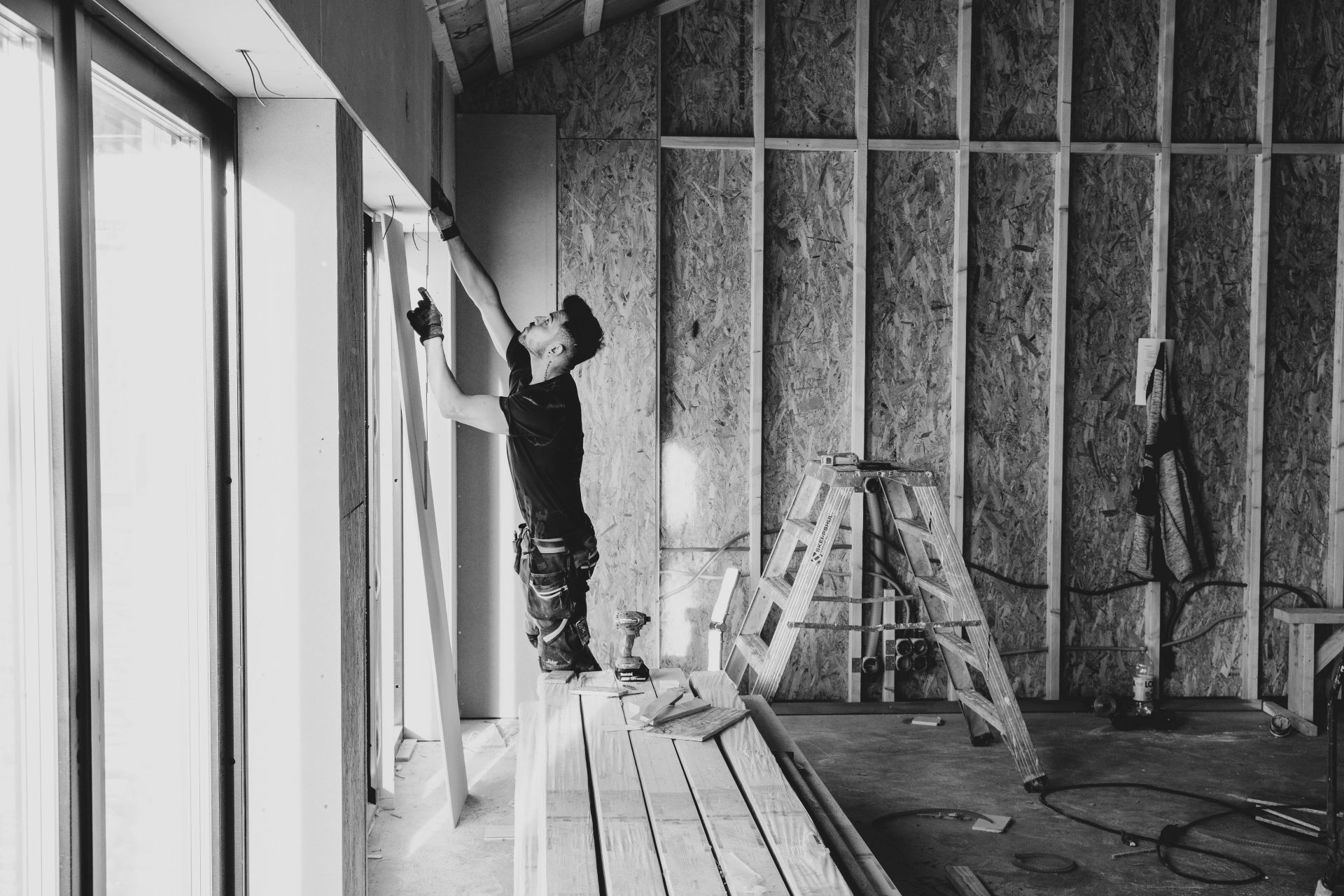
Many recurring problems in Johannesburg homes can be traced back to poor workmanship or non-compliant construction.
Common examples of poor workmanship
- Inadequate or incorrectly designed foundations - Roof trusses not installed or braced correctly - Poorly applied waterproofing on roofs, balconies, and showers - Tiling laid on unstable or poorly prepared surfaces - Plumbing with incorrect falls, leading to slow drainage or leaks - Shortcuts on reinforcing, lintels, or other structural elements
These construction issues South Africa homeowners encounter often take a year or two to show up, once the building has been through a few rainy and dry seasons.
Why it happens
Contributing factors include:
- Rapid development in parts of Gauteng - Unqualified or unregistered contractors - Lack of proper site supervision - Cost-cutting on materials and labour
How poor workmanship shows up
- Recurring leaks despite repeated patching - Uneven floors or tiling, lips between tiles - Doors and windows that never quite fit properly - Cracking at junctions between old and new structures - Frequent repairs needed shortly after completion
Protecting yourself as an owner or buyer
- Ensure work complies with **relevant SANS standards** and local building regulations. - **Vet contractors**: check references, previous projects, and registration where applicable. - Use **written contracts** with clear scopes of work, timelines, and payment stages. - Avoid paying the full amount upfront; keep a retention until snag items are resolved. - For new builds, arrange **independent snag inspections** before final handover. - For existing homes, a **comprehensive home inspection** can highlight hidden defects before you buy.
How to Protect Yourself: Inspections, Maintenance, and Smart Buying
Regular maintenance and informed decisions are your best defence against serious building problems.
Routine checks for homeowners
At least once or twice a year, especially before and after the rainy season, walk around your home and look for:
- **Walls and structure** - New or growing cracks - Bulging or hollow-sounding plaster - Signs of rising or penetrating damp
- **Ceilings and roof** - Water stains, mould, or sagging boards - Loose or missing tiles (from the ground, with binoculars if needed)
- **Foundations and outside areas** - Pooling water near the house after rain - Erosion channels or washed-away soil - Roots or large trees close to walls
- **Wet areas (bathrooms, kitchens, balconies)** - Loose or hollow tiles - Cracked grout or silicone - Swollen cupboards or skirtings
Quick checklist
Use this simple checklist as a starting point:
- [ ] Check for new or widening wall and floor cracks - [ ] Inspect ceilings for stains or bubbling paint - [ ] Clean and check gutters and downpipes - [ ] Look for damp, mould, or musty smells - [ ] Ensure water drains away from the house, not towards it - [ ] Review trees and large plants near foundations
If anything worries you, get a **qualified building inspector** or relevant specialist to investigate.
Smarter buying in Johannesburg
For property buyers Johannesburg–wide:
- Do not skip a **professional home inspection**; it is a small cost compared to potential repairs. - Be cautious of **fresh paint** on one wall or ceiling only – it may be covering cracks or damp. - If possible, **visit after rain** to see how the property handles water and whether leaks or ponding are visible. - Factor potential repairs into your offer and negotiation.
Early action is almost always cheaper and less stressful than waiting until a minor issue becomes a major structural problem.
---
Early Detection Saves Money and Stress
Johannesburg homes commonly face:
- Cracks in walls and floors - Damp and moisture problems - Structural movement and foundation issues - Roof leaks and waterproofing failures - Defects caused by poor workmanship
Many of these building problems Johannesburg owners encounter are manageable if you identify them early, understand whether they are cosmetic or structural, and use competent professionals for assessment and repair.
Regular maintenance, informed buying decisions, and periodic home inspections are investments in the long-term safety, comfort, and value of your property.
Important Note
This article provides general information about typical housing defects Gauteng homeowners may experience. It cannot cover every situation and is not a substitute for an on-site assessment. Always consult a suitably qualified professional, such as a structural engineer or independent building inspector, for advice on specific properties or concerns.