
How Much Does It Cost to Build a House in Johannesburg in 2025?
If you have tried to research the cost to build house Johannesburg in the last year or two, you have probably seen wildly different numbers. Rapid inflation, material price swings, and outdated online articles all add to the confusion.
This guide focuses specifically on Johannesburg and broader Gauteng in 2025. It gives realistic cost ranges per square metre, not promises or fixed quotes, and then shows how those translate into total build budgets for typical homes.
You will also see how design, finishes, site conditions, and market trends influence your final price, plus what usually gets left out of “per m²” figures. The aim is to help you plan, compare quotes, and avoid nasty surprises.
Disclaimer: All figures in this article are indicative 2025 estimates for Johannesburg and Gauteng. They are for planning only. Always obtain detailed, written quotes from qualified professionals for your specific project.
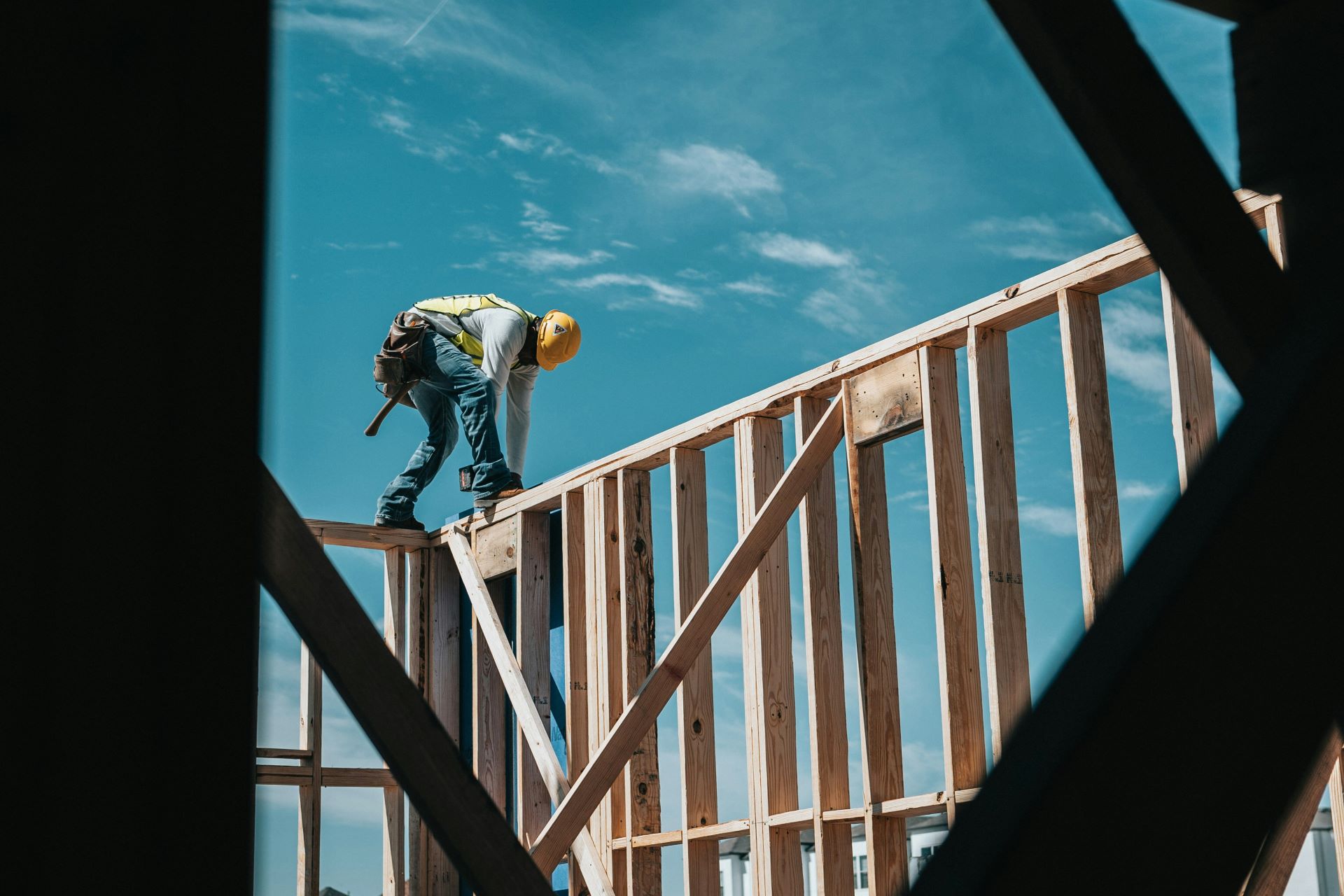
Key Factors That Influence Building Costs in Johannesburg
Per-square-metre rates are a useful starting point, but they are only an average. Two houses with the same size can differ in cost by 30–50% depending on design and specification.
The main cost drivers in Johannesburg are:
- Location and site conditions - Design, size, and layout - Level of finishes and specifications - Market conditions and inflation in 2025
Location and site conditions
Where and how your stand is located can push costs up or down.
Key aspects:
- **Suburb vs estate vs cluster - **Security estates and gated communities** - Often have **design guidelines**, approved contractor lists, and working‑hour restrictions. - May require higher façade standards, certain roof types, or minimum sizes. - This can increase both professional fees and construction costs. - **Clusters and sectional title developments** - Shared services and boundary walls may already exist, lowering some external costs. - But there can be strict aesthetic controls and body corporate rules. - **Standalone suburban plots** - More freedom on design and finishes. - You may need to fund full boundary walls, driveways, and security from scratch.
- Slope and access - Steep or uneven stands may need cut-and-fill, retaining walls, and more complex foundations. - Narrow streets or poor access can increase labour time and plant (machinery) costs.
- Soil conditions - Problematic clays or collapsible soils may require engineered foundations (e.g. raft foundations or piling), which can add significantly to cost. - A basic geotechnical investigation is often money well spent before committing to a design.
- Existing services - If water, sewer, and electricity are already at your boundary, connection costs are modest. - Long service runs, new sewer connections, or transformer upgrades can be expensive and are often overlooked in early budgets.
Design, size, and layout
How you design the house has a direct impact on the building cost per square metre.
- Single‑storey vs double‑storey
- Single‑storey homes: Larger foundations and roof area per m² of floor space. - Usually cheaper to build per m² on flat, spacious stands.
- - Double‑storey homes: - More structure (columns, beams, staircases), but smaller roof and foundation footprint. - Can be **similar or slightly higher per m²**, but often more cost‑effective on small or expensive stands where land is limited.
- **Compact vs sprawling layouts** - A **compact, rectangular plan** has fewer external walls and a simpler roof, so it is cheaper per m². - **Complex shapes**, multiple wings, double‑volume spaces, and lots of corners increase: - Wall area - Roof complexity - Structural steel and concrete - This all adds cost without necessarily adding usable floor space.
- **Rooms and features that add cost** - Extra **bathrooms and en‑suites** (plumbing, tiling, sanitaryware). - **Garages** (especially double or triple), carports, and workshops. - **Special spaces**: home office, pyjama lounge, gym, cinema room, staff quarters. - **Large openings**: stacking doors, big windows, and double‑volume glazing.
Level of finishes and specifications
Finishes can easily swing the budget by thousands of Rands per square metre.
Think about three broad levels:
- **Basic / entry‑level** - Ceramic tiles or simple laminate flooring. - Standard kitchen cupboards and post‑form or basic stone tops. - Standard sanitaryware and taps. - Aluminium windows with standard glazing. - **Mid‑range** - Better tiles or vinyl, upgraded laminate or engineered wood in some areas. - Higher‑spec kitchen with more storage and mid‑range stone tops. - Upgraded sanitaryware and mixers. - Larger windows, some stacking doors, better internal doors and ironmongery. - **High‑end / luxury** - Large‑format tiles, solid timber or premium engineered flooring. - Designer kitchen, integrated appliances, custom cabinetry. - High‑end sanitaryware, freestanding baths, walk‑in showers. - High‑performance glazing, large sliders, custom steel or timber doors.
Every upgrade—from tile price per m² to window type—multiplies across the house, so small decisions add up quickly.
Market conditions and inflation in 2025
Going into 2025, South Africa has seen:
- Ongoing **material price increases** in cement, steel, electrical components, and imported finishes. - **Labour cost escalation** due to wage increases and skills shortages in some trades. - Fluctuations in the **Rand exchange rate**, affecting imported items (tiles, fittings, some roofing, and glass).
This means:
- Two quotes obtained six months apart can differ materially. - Different contractors may price risk and escalation differently. - Allow for **escalation** if your build will run for more than 9–12 months.
Average Building Cost per Square Metre in Johannesburg (2025)
The figures below are **indicative 2025 planning ranges** for typical free‑standing residential houses in Johannesburg and greater Gauteng.
They assume:
- Normal suburban conditions (no extreme slopes or special foundations). - Standard brick-and-mortar construction. - Turnkey building contract with a registered contractor.
Entry-level / basic residential build
Typical characteristics:
- 2–3 bedrooms, 1–2 bathrooms. - Simple single‑storey layout. - Basic finishes and cost‑conscious choices.
**Indicative 2025 building cost per square metre (Johannesburg):**
- Roughly **R 8 500 – R 11 500 per m²**
Usually **includes**:
- Structure (foundations, walls, roof). - Standard windows and doors. - Basic electrical and plumbing installations. - Standard internal finishes (tiles/laminate, paint, basic cupboards). - Basic bathroom and kitchen fittings.
Usually **excludes**:
- Land cost. - Professional fees (architect, engineer, etc.). - Major external works (full boundary walls, extensive paving). - Pools, solar systems, high‑end security.
Mid-range family home
Typical characteristics:
- 3–4 bedrooms, 2–3 bathrooms. - Single or double‑storey. - Double garage. - Good quality, durable finishes.
**Indicative 2025 building cost per square metre (Johannesburg):**
- Roughly **R 11 500 – R 16 000 per m²**
Assumptions:
- More generous kitchen and cupboards. - Better tiles, sanitaryware, and fittings. - Some larger windows/doors, possibly a covered patio. - Reasonable allowance for internal lighting and power points.
High-end / luxury home
Typical characteristics:
- 4–5+ bedrooms, multiple bathrooms. - Often double‑storey with more complex structure. - Designer kitchen, high‑spec bathrooms. - Large glazing areas, custom features, smart home elements.
**Indicative 2025 building cost per square metre (Johannesburg):**
- Broadly **R 16 000 – R 25 000+ per m²**, depending on specification
Assumptions:
- High‑spec finishes throughout. - Extensive glazing, feature staircases, custom cabinetry. - Higher allowances for lighting, automation, and bespoke details.
What per-square-metre rates usually include and exclude
**Often included:**
- Main house structure and roof. - Internal finishes and basic fixtures. - Standard plumbing and electrical. - Basic connections to services at the boundary.
**Often excluded:**
- Land purchase and transfer costs. - Professional and municipal fees. - Extensive external works (driveways, full boundary walls, big retaining walls). - Swimming pool, decks, pergolas. - Solar PV, inverters, batteries, generators. - High‑end landscaping and irrigation. - Loose furniture and appliances.
Use these **building cost per square metre** figures as:
- A **planning tool and sanity check** for your budget. - A way to spot clearly unrealistic quotes (too low or too high).
They are **not** a substitute for a detailed, project‑specific bill of quantities or contractor quote.
Example Total Build Budgets for Typical Johannesburg Homes
To make things more concrete, here are three simplified examples. These are **illustrative only** and exclude land.
Example 1: Compact 2–3 bedroom starter home (~80–120 m²)
Assumptions:
- 100 m² single‑storey house. - Entry‑level to lower mid‑range finishes. - Typical Johannesburg suburb with normal site conditions.
**1. Construction cost (house only)** - At **R 9 500 – R 11 500 per m²** - Approximate range: **R 950 000 – R 1 150 000**
**2. Professional fees and approvals (rough guide)** - Architect/designer, engineer, plan approval, basic project oversight. - Typically **8–12%** of construction cost. - Say **R 80 000 – R 130 000**
**3. Basic external works and services**
- Driveway and small patio, basic boundary fencing/walling, basic security, water and electrical connections. - Often **5–10%** of construction cost. - Say **R 50 000 – R 100 000**
**4. Contingency**
- Recommended **10–15%** of construction cost. - Say **R 100 000 – R 150 000**
**Indicative total project budget (excluding land):** - Around **R 1.18 million – R 1.53 million**
Example 2: Typical 3–4 bedroom family home (~150–220 m²)
Assumptions:
- 180 m² home (single or double‑storey). - Mid‑range finishes. - Double garage. - Located in a typical Johannesburg suburb or estate.
**1. Construction cost (house and attached garage)** - At **R 12 000 – R 15 000 per m²** - Approximate range: **R 2.16 million – R 2.70 million**
**2. Professional fees and approvals**
- Architect, structural engineer, possibly quantity surveyor, plan approval. - Typically **8–14%** of construction cost, depending on service level. - Say **R 200 000 – R 350 000**
**3. External works and services**
- Driveway, paving, boundary walls or upgrades, basic landscaping, gate motor, alarm, water and electrical connections. - Often **8–15%** of construction cost. - Say **R 170 000 – R 400 000**
**4. Contingency**
- **10–15%** of construction cost. - Say **R 220 000 – R 400 000**
**Indicative total project budget (excluding land):** - Roughly **R 2.75 million – R 3.85 million**
Example 3: High-end 4–5 bedroom home (~300+ m²)
Assumptions:
- 320 m² double‑storey home. - High‑end finishes and more complex design. - Double or triple garage. - Upscale Johannesburg suburb or estate.
**1. Construction cost (house and attached garage)** - At **R 17 000 – R 23 000 per m²** - Approximate range: **R 5.44 million – R 7.36 million**
**2. Professional fees and approvals**
- Full architectural service, structural and possibly civil engineer, quantity surveyor, interior designer (partial), plan approvals. - Typically **10–16%** of construction cost. - Say **R 550 000 – R 1.15 million**
**3. External works and extras**
- High‑quality boundary walls, extensive paving, decks, higher‑end security, gates, landscaping. - Often **10–20%** of construction cost. - Say **R 550 000 – R 1.45 million**
- Optional extras that can add significantly: - Swimming pool: **R 200 000 – R 500 000+** - Solar PV and backup power: **R 150 000 – R 400 000+** - Water storage and filtration: **R 50 000 – R 200 000+**
**4. Contingency**
- Given the complexity, allow at least **12–15%**. - Say **R 650 000 – R 1.10 million**
**Indicative total project budget (excluding land):** - Broadly **R 7 million – R 10+ million**, depending on specification and extras.
Again, these are **ballpark ranges**. Your actual cost will depend on your specific design, site, and contract.
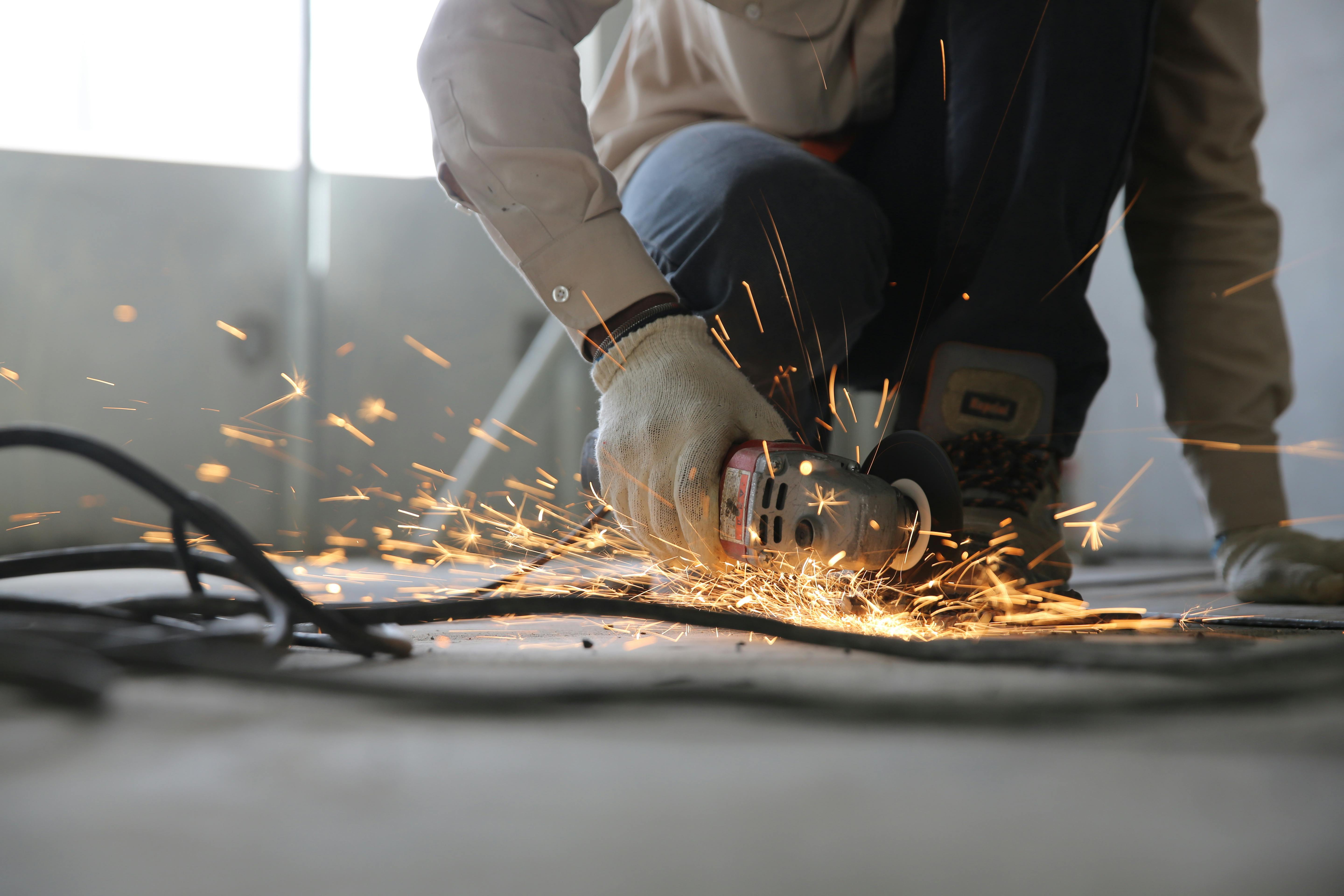
Breaking Down the Costs: Materials, Labour, and Professional Fees
A clear view of the main components helps you understand where the money goes and where you can save.
Materials
Major material categories include:
- **Foundations and concrete** - Concrete, reinforcing steel, formwork, damp‑proofing. - **Brickwork/blockwork** - Bricks or blocks, mortar, lintels. - **Roofing** - Timber or steel trusses, roof covering (tiles, sheeting), insulation, waterproofing. - **Windows and doors** - Aluminium or steel frames, glazing, internal doors, hardware. - **Electrical materials** - Cables, conduits, DB board, switches, sockets, light fittings (depending on contract). - **Plumbing materials** - Pipes, fittings, geysers, drainage, sanitaryware. - **Finishes** - Floor and wall tiles, laminate/vinyl/timber, paint, skirtings, cornices. - **Carpentry and cabinetry** - Kitchen units, built‑in cupboards, vanities.
In a typical Johannesburg build, materials may account for **50–65%** of the construction cost, depending on labour rates and specification choices.
Labour
Labour covers:
- Main contractor’s staff and supervision. - Subcontractors such as: - Bricklayers and plasterers. - Roofers and carpenters. - Electricians and plumbers. - Tilers, painters, ceiling installers, glaziers.
Key points:
- Labour is usually wrapped into a **lump‑sum contract**, not fully itemised. - In 2025, **skilled labour** remains in demand; good tradespeople charge accordingly. - Complex designs, tricky access, and many custom details increase labour time and cost.
Labour often makes up **35–50%** of the construction cost, but the split varies by project.
Professional and statutory costs
Common professional roles:
- **Architect or building designer** - Concept design, council drawings, sometimes contract administration. - Often **5–10%** of construction cost for full service (can be less for limited service). - **Structural engineer** - Foundations, slabs, structural frames, retaining walls. - Often a mix of fixed fees and percentage; on a typical house, allow **1–3%** of construction cost. - **Quantity surveyor (QS)** - Detailed cost planning, bills of quantities, valuation of progress payments. - Particularly useful on larger or complex builds. - **Land surveyor** - Site survey, pegging boundaries, contours. - **Project manager (if separate from architect/contractor)** - Manages time, cost, and quality on your behalf.
Statutory and municipal costs:
- Building plan submission and scrutiny fees. - Connection fees for water and electricity. - Possible development contributions or levies, depending on municipality and estate.
Overall, **professional and statutory costs** for a typical Johannesburg house often total around **8–15%** of the construction cost, higher for complex or high‑end homes.
External works and extras
These are frequently under‑budgeted:
- Boundary walls, fences, and gates. - Driveways, paving, walkways, patios. - Basic landscaping, lawn, and some planting. - Security systems (alarm, beams, cameras, electric fencing). - Water storage tanks and pumps. - Solar PV, inverters, batteries, or generators.
Depending on your stand and expectations, external works can add **5–20%+** to the total project cost.
Hidden and Often Overlooked Costs
First‑time builders in Johannesburg are often caught by:
- **Soil tests and geotechnical reports** - Especially important in areas with known problematic soils. - **Upgrades to municipal services** - New or upgraded sewer connections, long water or power runs, or transformer upgrades in some areas. - **Temporary services during construction** - Temporary electrical connection or generator. - Portable toilets. - Site security and fencing. - **Escalation clauses** - Many contracts include clauses allowing for price adjustments if the build runs long or if material prices spike. - **Snagging and defects rectification** - Minor repairs and adjustments after occupation. - **Furniture, curtains/blinds, and appliances** - Often not included in the building contract but essential to move in comfortably.
To protect yourself, build in a **contingency allowance of 10–15%** of the construction budget. Do not commit every last Rand at the start.
How to Get Accurate Quotes and Control Your Budget
Moving from rough estimates to a firm, realistic contract price requires a bit of discipline.
1. **Get a clear design and specification** - Finalise your floor plan and elevations. - Decide on key finishes (flooring types, kitchen level, bathroom quality). - The more detailed your brief, the more accurate your quotes.
2. **Obtain multiple comparable quotes** - Approach **3–4 reputable Johannesburg contractors**. - Provide the **same drawings and specification** to each. - Ask them to price on the same scope so you can compare like‑for‑like.
3. **Clarify inclusions and exclusions** - Check whether quotes include: - VAT. - Professional fees. - External works (driveways, boundary walls, landscaping). - Provisional sums for finishes (e.g. tile or sanitaryware allowances). - Get a written list of exclusions.
4. **Consider using a quantity surveyor or experienced project manager** - For larger or more complex builds, a QS can: - Prepare a detailed bill of quantities. - Benchmark contractor prices against typical construction costs Gauteng‑wide. - Help manage variations and payments.
5. **Use a proper written contract** - Standard forms such as **JBCC** or similar are widely used in South Africa. - Ensure the contract covers: - Scope of work. - Payment milestones. - Retention (money held back until defects are fixed). - Variation procedures. - Dispute resolution.
6. **Monitor changes during the build** - “While we’re at it, let’s upgrade…” decisions can quietly blow your budget. - Track every change and its cost in writing before approving.
Frequently Asked Questions About Building Costs in Johannesburg (2025)
Is it cheaper to build or buy an existing house in Johannesburg in 2025?
It depends on your location and expectations. In some established suburbs, buying an existing house can be **cheaper per m²** than building new, especially when you factor in professional fees and external works. However, building gives you:
- A layout tailored to your needs. - New finishes and systems with lower maintenance in the early years. - Better energy efficiency if designed well.
Do a side‑by‑side comparison using realistic build costs and recent sales in your target area.
How long does it typically take to build a house in Johannesburg?
For a typical free‑standing home:
- Smaller starter homes (80–120 m²): about **6–8 months**. - Mid‑range family homes (150–220 m²): about **8–12 months**. - Larger high‑end homes (300+ m²): **12–18 months** or more.
These timeframes exclude design and approvals, which can add **3–6 months** before construction starts.
How much should I allow for professional fees on top of the construction cost?
As a broad guide in Johannesburg:
- **8–15%** of construction cost for: - Architect or designer. - Structural engineer. - Quantity surveyor (if used). - Land surveyor. - Basic project management. - Higher‑end or very complex projects can be above this range, especially if you add interior design services.
Do double-storey houses cost more per square metre than single-storey?
Often, yes—but not always by a large margin. Double‑storey homes need more structure (columns, beams, stairs), which can increase the **cost per m²** slightly. However, you save on the size of foundations and roof compared to a spread‑out single‑storey house of the same area. On small or expensive stands in Johannesburg, double‑storey can be the most **cost‑effective overall** solution.
How does building in an estate compare to building on a standalone plot in terms of cost?
Estates can:
- Increase costs through: - Design guidelines and architectural controls. - Approved contractor lists and restricted working hours. - Reduce some costs by: - Providing perimeter security and shared infrastructure. - Sometimes including boundary walls and basic landscaping in levies.
On balance, the **cost to build house Johannesburg** in an estate is often **slightly higher per m²** than a comparable standalone plot, mainly due to design and finish expectations.
Can I save money with owner-building or managing subcontractors myself?
You may save on contractor mark‑ups if you:
- Have construction experience. - Can manage schedules, quality, and compliance. - Are available on site regularly.
However:
- Banks are cautious about financing owner‑builder projects. - Mistakes, delays, and poor coordination can quickly eat up any savings. - Compliance with health and safety and municipal requirements remains your responsibility.
For most first‑time builders, using a reputable main contractor with a proper contract is safer, even if the headline cost seems higher.

Planning a Realistic 2025 Building Budget in Johannesburg
For 2025, realistic **house building costs Johannesburg** for conventional brick homes typically range from:
- About **R 8 500 – R 11 500 per m²** for basic starter homes. - Around **R 11 500 – R 16 000 per m²** for mid‑range family homes. - Roughly **R 16 000 – R 25 000+ per m²** for high‑end or luxury builds.
Your actual cost will depend heavily on your site, design, and level of finishes, along with professional fees and external works. Per‑square‑metre rates are a useful guide, but they are only the first step.
Plan conservatively, include a **10–15% contingency**, and be clear on scope and specifications before committing. Then work with reputable local professionals—architects, engineers, quantity surveyors, and contractors—to turn your budget into a realistic, detailed plan for your Johannesburg home.